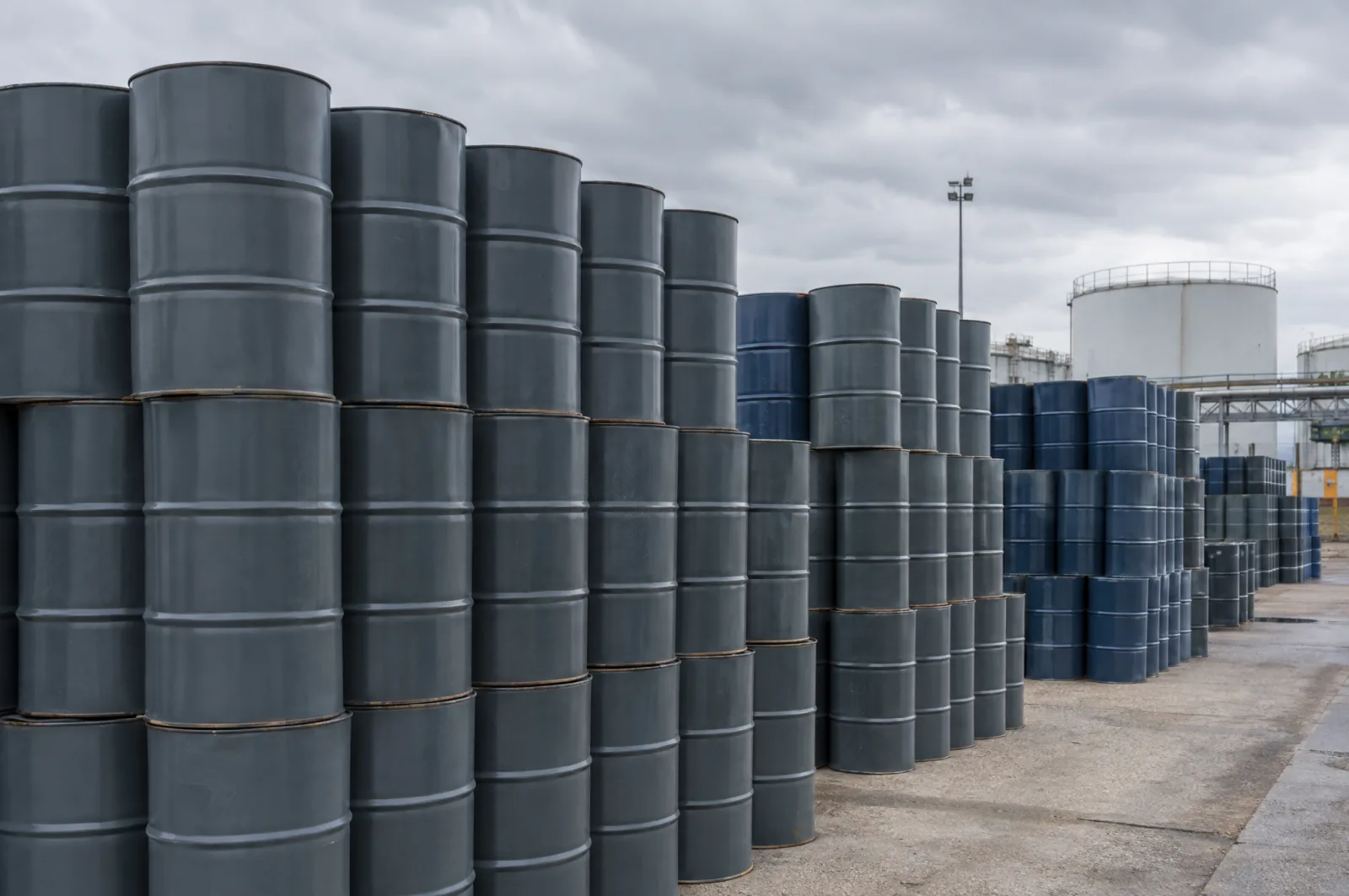
The move began with a weekend that passed without a US strike. Investors had paid for protection against an escalation by US forces in Iran, and when no escalation came, those hedges were unwound and crude sold off in New York trading.
What Trump offered was time, not a settlement. He told Fox News he may resume the war next year if the talks fail, according to Rigzone, which reported that the comments extend the timeline he had laid out before the US midterm elections.
Key numbers
- $80.17 WTI for January delivery at Monday's settlement, down 4.5% and the first time near $80 since August
- $89.37 Brent for January settlement, down 3.5% on the day
- About a fifth the fall in Brent so far this month, after Trump held off on renewed strikes following the midterm elections
- About 2 million barrels a day the surplus the International Energy Agency has forecast for the global oil market this quarter
Why a quiet weekend took money out of crude
The war has not stopped. There have been several attacks on tankers in the Strait of Hormuz, and over the weekend Iran again attacked Bahrain, which hosts US forces. Even so, crude shipments appear to be flowing out of the Persian Gulf, Rigzone reported.
That gap between the risk and the barrels is the whole story of the month. Brent is down roughly 20% since the start of November, and the IEA's forecast of an approximately 2 million-barrel-a-day surplus this quarter describes a market that is currently well supplied.
In plain words: when traders fear a supply disruption, they pay extra for oil today as insurance, and that extra is what people call a risk premium. If the feared event does not happen, the insurance is no longer needed and the premium drains out of the price. That is a price falling because fear eased, not because more barrels arrived.
What is still unresolved
The naval blockade is the open question. Iran is demanding that the US end it; the blockade has kept the country from exporting oil and from importing some essential goods. Iranian state-backed media suggested the government will try to get more ships through the line, and in the same Fox interview Trump warned that any vessel testing the US position would end up "at the bottom of the sea."
Refined fuel prices have eased too. They had risen harder than crude while the war throttled fuel exports from the region at the same time as Ukrainian strikes hobbled Russian refineries. Those strikes continue: a small refinery in southern Russia suspended operations after overnight drone attacks, Rigzone reported.
I went through the reports on Monday's move, and none of them says the talks have produced an agreement, a date or an agenda. The second report available on this story, from engine.online, via Google News, confirms only that Brent declined as Trump gave diplomacy more time. What happens to the blockade, and whether ships test it, is not settled in any account I read.