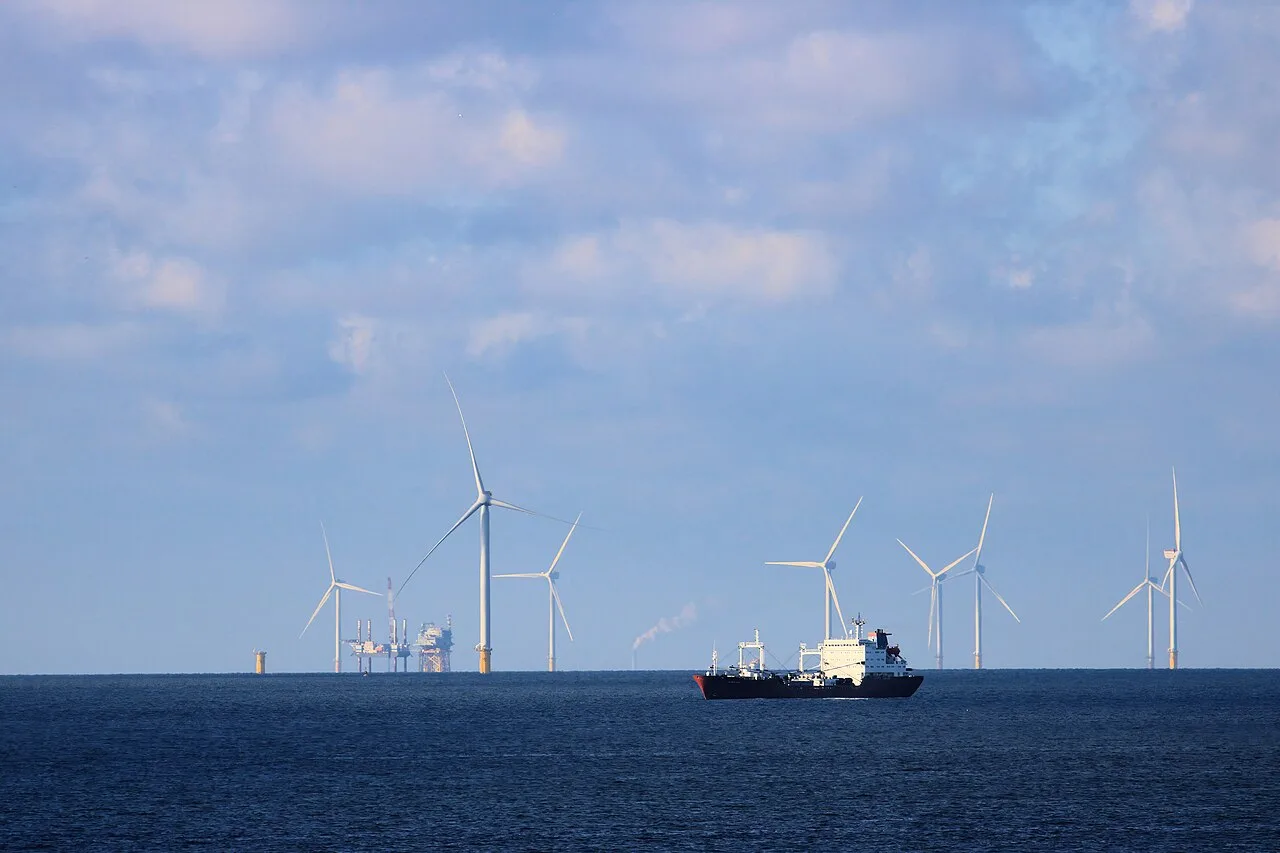

A tanker no longer has to call at an Iranian terminal to fall under the blockade. Guidance published on Wednesday by US Central Command (CENTCOM) says a vessel that takes cargo mid-ocean from a ship loaded at an Iranian port or along the Iranian coast can itself be treated as a blockade runner, Reuters reported in a story carried by gCaptain.
The reach is wide. CENTCOM set out what its forces may do with such a ship: halt it, put a boarding party on it, redirect it, seize it, or send it back to the Iranian port where the cargo began. Crews that do not obey orders from blockade or boarding teams without delay risk enforcement action, the advisory said, up to force used "consistent with applicable law."
Transfers at sea were the workaround
In plain words: a ship-to-ship transfer is one tanker pumping its cargo into another while both sit at sea, often far from any harbor. The barrels change hands, and the receiving ship's own voyage record never shows Iran. Wednesday's guidance says that clean record is no longer enough on its own.
The same message is reaching merchant crews through the Joint Maritime Information Center, the CENTCOM-based body that advises commercial shipping in the Middle East, which issued its own updated blockade guidance, The Maritime Executive reported.
Crude is already close to a halt
The blockade on Iran-related oil exports has run in two spells this year:
- April 13 the blockade was first imposed.
- June it was lifted, after Washington and Tehran reached a draft understanding.
- July 14 it was reimposed once that understanding collapsed.
Since July, Iran has still moved some liquefied petroleum gas and jet fuel, according to shipping intelligence and security sources who spoke to Reuters in October. Crude has been different. Shipping sources told Reuters that Iranian crude exports have sat near a standstill for months, so the new wording bears most directly on the cargoes that are still getting out, and on the ships willing to receive them.
A missile site was hit the day before
Separately, American warplanes struck an Iranian missile launch site on Qeshm Island in the Persian Gulf on Tuesday, a US military official told Bloomberg in a report also carried by gCaptain.
I went through both reports, and neither connects that strike to the advisory issued the following day. Neither gives a price reaction in crude either, so what is confirmed here is the enforcement language, not its effect on the market.