Datacentres are on the list. Alongside oil installations and undersea cables, Mohsen Rezaei, secretary of Iran's supreme national security council, named datacentres and artificial intelligence facilities as targets spread across as many as seven Gulf countries in the event of a renewed US-Israeli attack, the Guardian reported.
That is a wider target set than the energy sites usually named in threats of this kind. It is also a stated intention and nothing more: no such strike has happened, and the conditions Rezaei attached to it have not occurred.
Key numbers
- $113.40 the price of Brent crude per barrel reported on Wednesday, described as a recent high
- Seven the number of Gulf countries named as possible targets
- Four commercial ships the IRGC claimed to have struck in the Strait of Hormuz on Wednesday, with three more said to have hit mines
- Three aircraft carriers Trump intends to have stationed in the Middle East by November
The strait is where the threat is already physical
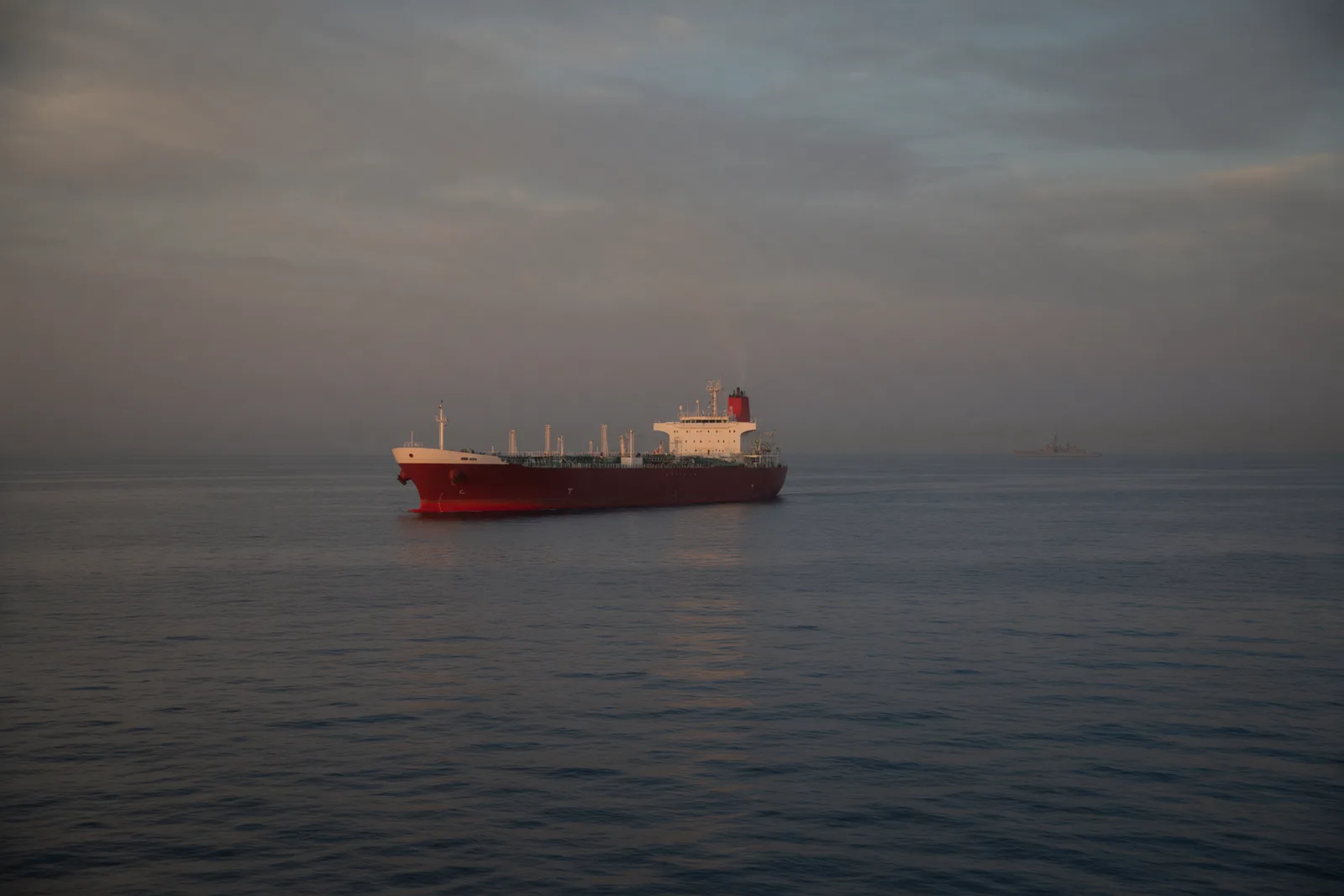
The naval arm of Iran's Islamic Revolutionary Guards Corps said it hit four commercial vessels at the same time on Wednesday as they moved through the Strait of Hormuz, according to the Guardian. The ships were described as transferring oil from one vessel to another. The IRGC also said three further ships struck mines there.
That total has not been independently verified, the Guardian wrote. I have not seen a second account in the reports available to me that confirms how many vessels were hit, or what happened to their crews.
Iran's blockade of the strait is already in place. Mediators from Iran and Pakistan revisited ceasefire options this week, including releasing billions in frozen Iranian assets in exchange for lifting the blockade, letting UN inspectors into bombed nuclear sites, and shipping out the stockpile of highly enriched uranium. Tehran has said it would lift the blockade within a week and open nuclear talks, but only once its own conditions are met, starting with the removal of US sanctions.
In plain words: the Strait of Hormuz is the narrow sea exit from the Gulf, and a large share of the region's crude leaves through it on tankers. When vessels there are attacked, shipowners and insurers treat the route as more dangerous, and fewer owners are willing to send ships through at the old cost. That is why a threat to the strait shows up in the crude price before a single barrel of production is lost.
Both sides are talking about the same early-November window
Mehdi Mohammadi, an adviser to Mohammad Ghalibaf, said Trump and Netanyahu had agreed in principle to an attack without being able to guarantee the result, the Guardian reported. Mohammadi described a third war in two years as a threat to Iran's existence and summed up the response as a strategy of "zero red lines", adding that any conflict would run longer and across a larger area than the other side expects.
On the other side of the ledger, US media have reported that military advisers have assembled a target list for a joint assault to follow the 3 November midterm elections, according to the Guardian. The American buildup, which Trump wants to include three aircraft carriers, thousands of marines, fighter jets and special operations forces, is due to be finished by early November. Netanyahu discussed the timing and aims of a joint attack with US defense secretary Pete Hegseth in Israel on Monday.
The Guardian also notes that Trump has pulled back from striking Iran on seven occasions in the past four months. Dozens of Israeli aircraft flew close to the Iranian border this week, the news site Axios reported, and a large fire at an aluminium factory in Arak, in central Iran, points to possible sabotage inside the country.
What to watch
- Friday foreign ministers from three European countries, Turkey, Saudi Arabia, Pakistan and Egypt meet in Istanbul on the linked Iranian, Yemeni and Palestinian crises
- 3 November the US midterm elections, after which US media say a joint target list would be acted on
- Early November the stated completion date for the US military buildup in the Middle East