
Three days earlier, the same president had called the eight-month war "militarily effectively over" after talks with Qatar's prime minister, and had played down the chance of further military strikes. On Thursday he wrote on Truth Social that "we don't need a deal with Iran," and said Washington had control of Iran's money and of the Strait of Hormuz, OilPrice.com reported.
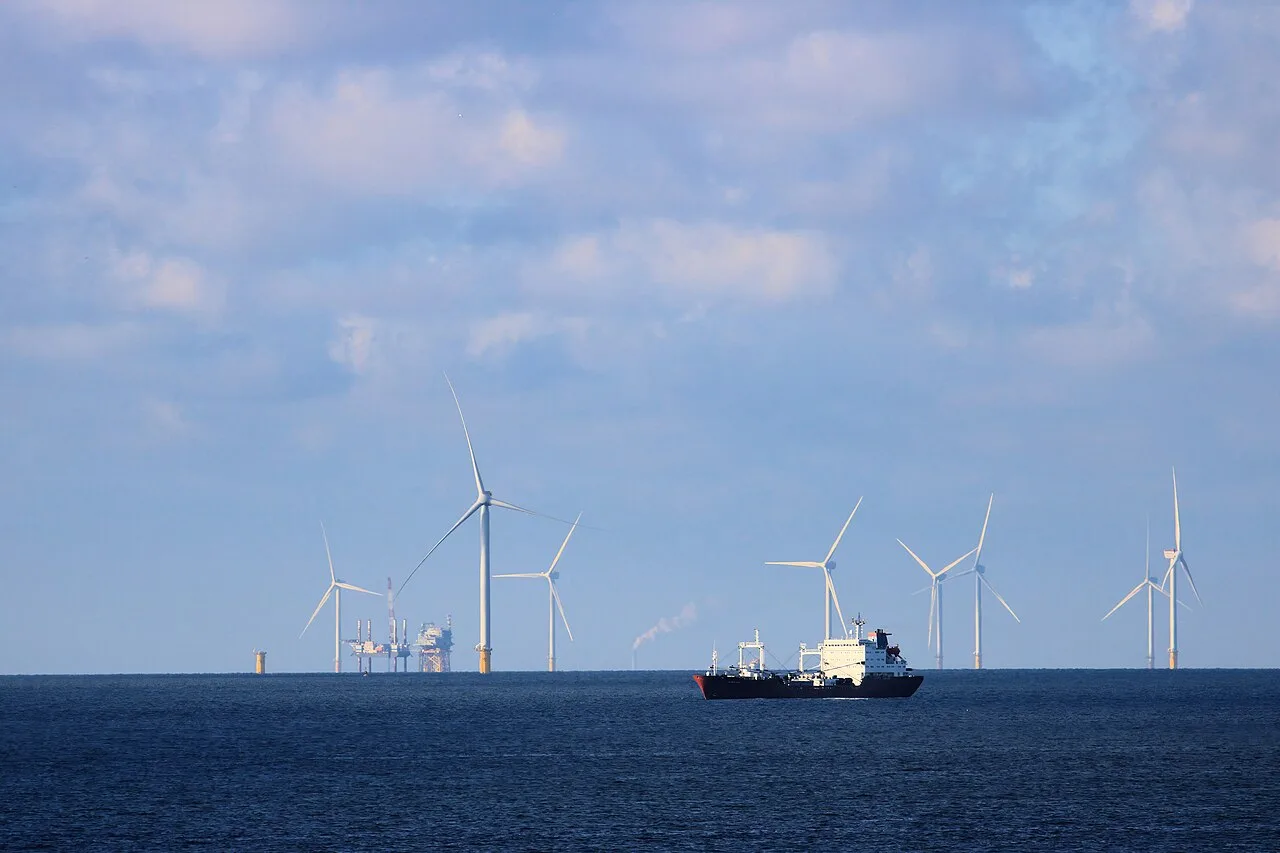
The Hormuz line is the part that touched the oil market. The strait is the narrow sea passage at the mouth of the Gulf through which the region's crude is shipped, so any claim about who controls it is read as a claim about whether barrels keep moving. Crude climbed on the post and then gave back part of the move. Energy prices rose after the remarks, Anadolu Ajansi reported.
Key numbers
- $93.79 Brent in late morning trading on Thursday, up about 1.1%, after an earlier push toward $94
- 25% how far Brent had come down from its late-October peak of $118, as peace talk built through November
- 26% the increase Saudi Arabia reported in its October crude production, with Iraq also pumping more
- 4 tankers Iran said were struck by explosions over two days, an account that has not been independently verified
A reversal inside 72 hours
The sequence matters more than any single quote. On 2 November, Trump suggested a settlement was close and said Iran wanted one. On Monday came the "militarily effectively over" remark. Thursday undid both.
Those earlier comments had already been priced. Brent had slipped roughly 25% from the late-October high of $118 as traders took risk premium out of the market, according to OilPrice.com. Thursday's post put part of that question back on the table.
In plain words: when traders think supply could be interrupted, they pay extra for a barrel today. That extra is the risk premium. It is not a change in how much oil is actually being produced, which is why a single statement can move the price while nothing physical has happened.
More barrels, but not normal shipping
Middle Eastern supply has recovered. Saudi Arabia reported October production 26% higher, and Iraq has lifted output too, OilPrice.com reported. Those barrels have weighed on prices through the month.
Getting them to buyers is the harder part. Cargoes still depend on alternative routes, ship-to-ship transfers and military protection, which leaves futures unusually reactive to diplomatic statements and to threats against tankers.
I went through the reports on this one, and two things are stated but not settled. Iran said four tankers were hit by explosions over two days, including supertankers it accused of using unauthorized routes; that account has not been independently verified. And none of the reports says what "control" of the Strait of Hormuz means in practice.
On the nuclear file, Mohsen Rezaee, secretary of Iran's Supreme National Security Council, said Tehran would not move any enriched nuclear material out of the country. That is the same position Iran has held through the talk of a settlement.