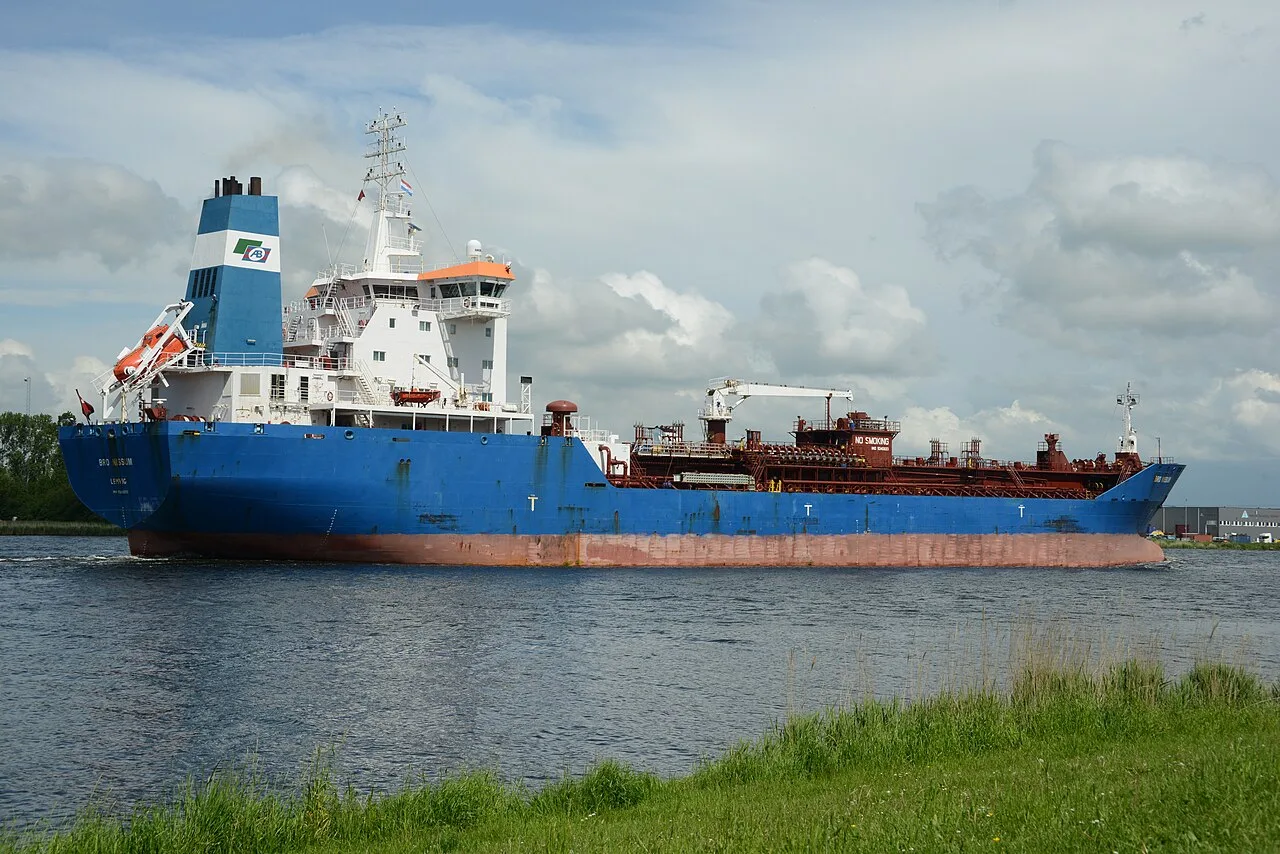

The Agioi Fanendes got within about 400 nautical miles of New York, then turned around. gCaptain, citing Bloomberg, reported the U-turn on Wednesday, after the Malta-flagged product tanker had spent days holding position in the Atlantic and broadcasting "for orders" on its AIS signal.
The ship carries the first cargo under the agreement President Donald Trump announced on October 9 to bring Russian diesel into the US market. The fuel was loaded weeks ago. What has not been settled is whether a US terminal can legally take it.
Key numbers
- 40,000 tonnes of ultra-low sulfur diesel loaded at the Russian Baltic port of Primorsk, about 300,000 barrels, according to CNN as cited by OilPrice.com
- 400 nautical miles off New York, where the tanker reversed course on Wednesday, after an expected delivery date of November 7
- 99.3 million barrels of US distillate stocks in the week ended October 30, down 3.6 million on the week and roughly 13% below the five-year seasonal average
- $6.17 a gallon average US retail diesel on November 9, down from $6.29 a week earlier and below September's record of $6.53, according to AAA
Four of five ships linked to the deal turned south
Greenpeace has identified five vessels it believes are tied to the diesel agreement, and four of them diverted southwards after transiting around England, potentially toward Brazil, The Maritime Executive reported.
OilPrice.com traced two of them. The Talisman and the Sierra Leone-flagged Leruo left Primorsk in October declaring US East Coast destinations. By November 5 the Leruo was indicating Brazil, and the Talisman had entered the Mediterranean after passing through the Strait of Gibraltar on November 2.
Eastmed, the Greece-based manager of the Agioi Fanendes, told Reuters on Tuesday that "nothing has changed regarding the vessel's destination, she is still awaiting orders." Energy Secretary Chris Wright told Reuters the same day that the cargo would find a buyer elsewhere: "It'll go to another port. We just want that diesel going into the world markets."
The reports I read differ on one small detail: Reuters, citing LSEG data, puts the loading on October 22, while The Maritime Executive says October 23.
A Treasury license and a 2022 law point different ways
To enable the deal, the Treasury's Office of Foreign Assets Control issued License No. 135, which authorizes the sale, delivery, offloading and importation of Russian-origin diesel, imports into the United States included, through April 7 next year.
The dispute is over a separate statute. The Ending Importation of Russian Oil Act of 2022 bans imports of Russian energy products, and lifting it requires a presidential certification about the war in Ukraine, consultations with congressional committees and a 90-day waiting period in which Congress may object. Treasury maintains its authorization complies with applicable law. AP reported on November 5 that no court has ruled on the question.
New Jersey Governor Mikie Sherrill wrote to port and terminal operators on November 2 warning that handling the cargo could expose them to civil and criminal penalties. A bipartisan group of federal lawmakers sent similar warnings to banks including JPMorgan Chase, Bank of America and Citigroup. Kpler analyst Matt Smith attributed the uncertainty around the cargoes to prospective buyers' concerns about legal consequences.
The volumes are small against US demand
The pledged quantities are modest: about 2.2 million barrels in October, 3.7 million in November and 7.4 million thereafter, against monthly US diesel consumption of roughly 120 million barrels, The Maritime Executive reported. Russia, its refineries hit by Ukrainian drone strikes, is conserving diesel for its own use and carved out only a small quota.
In plain words: diesel arrives in a coastal market by pipeline, by truck or by ship. A cargo that never docks adds nothing to the tanks on the US East Coast, so the barrels already there are what covers winter heating demand. That is why traders follow individual tankers at all.
What to watch
- April 7, next year: the expiry date of Treasury License No. 135, the authorization covering these Russian diesel transactions