Residents of Tehran lined up at gas stations on Saturday, withdrew cash from banks and bought basic food, according to reporting by The New York Times carried by the Oman Observer. Parents weighed whether to send children to school. Businessmen canceled work trips in case airports closed and roads became unsafe.
Behind that scene is a market story with no confirmed price move in any of the reports: US officials said this past week that the United States and Israel have devised specific plans for renewed strikes on Iran. The same officials said President Donald Trump could still veto those plans, as he has done before.
Key numbers
- At least 1,900 civilians killed in 40 days of bombardment this year, according to Iran's Red Crescent Society
- About $300 billion in war damage, according to the Iranian government
- 156 children and teachers killed in a US strike on an elementary school in Minab on February 28, which US officials ascribed to a targeting error caused by outdated data
- More than 150% rise in the price of beef since the war began, with rice up more than 60%, the Associated Press reported
The oil link runs through the blockade and the strait
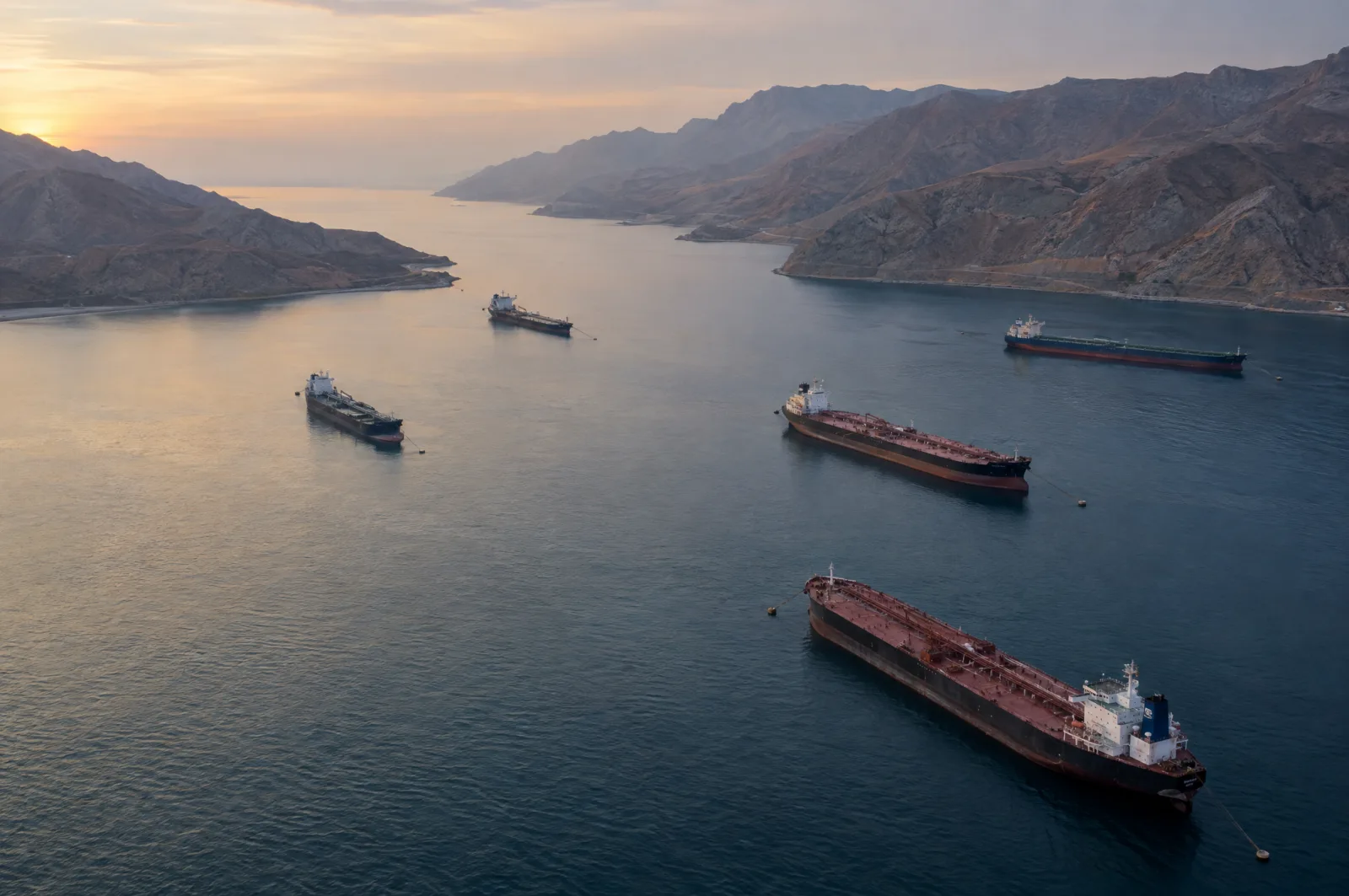
A US naval blockade of Iranian ports has restricted the oil exports the Iranian government depends on, according to the Associated Press report carried by the Clacton and Frinton Gazette. Trade has shifted overland, and trucks have piled up at Iran's borders.
This month has seen the highest number of reported attacks on commercial ships transiting the Strait of Hormuz since the opening weeks of the war in March, the same report said. Iran has again threatened US military bases and allies in the Middle East, and has warned it could strike new targets, including the undersea data cables that run through the strait.
The mechanism is physical and has two parts. The blockade keeps Iranian barrels from leaving the country by sea. Attacks on ships moving through Hormuz raise the risk of the passage that carries much of the region's seaborne trade. Neither report states a price level for crude oil or gold on the day.
What the reports confirm, and what they do not
Trump has said he was considering an attack on Iran after the US midterm elections if no diplomatic deal was reached, insisting Iran could not have a nuclear program. Israel's Prime Minister Benjamin Netanyahu, who faces a tight vote on Tuesday, said this past week that the United States and Israel must join forces to topple Iran's government.
Talks between Tehran and Washington have stalled, despite recent diplomacy by Pakistan, Qatar and Russia. Last month Trump rejected an Iranian proposal to end the war and fully open the Strait of Hormuz within a week if Washington met conditions including lifting the blockade.
US officials said on Friday that they had obtained intelligence showing Iran was planning to target American personnel in the region. That intelligence has not been independently confirmed in the reports, and no strike date has been set out publicly by either side.
Inside Iran, the economic strain is the daily subject. The currency has reached record lows against the dollar and food prices have risen steeply; a supermarket trip can consume half of a mid-range monthly salary of 400 million rials, roughly 112 pounds, one Tehran resident told the Associated Press. Sasan Karimi, a former government official and foreign policy professor at the University of Tehran, said Iran's leadership expects new strikes whatever the midterm results and is planning for the scenarios.
What to watch
- Tuesday Israel's election, which Netanyahu enters in a tight race
- November 3 US midterm elections, after which Trump has said he would consider an attack on Iran absent a deal