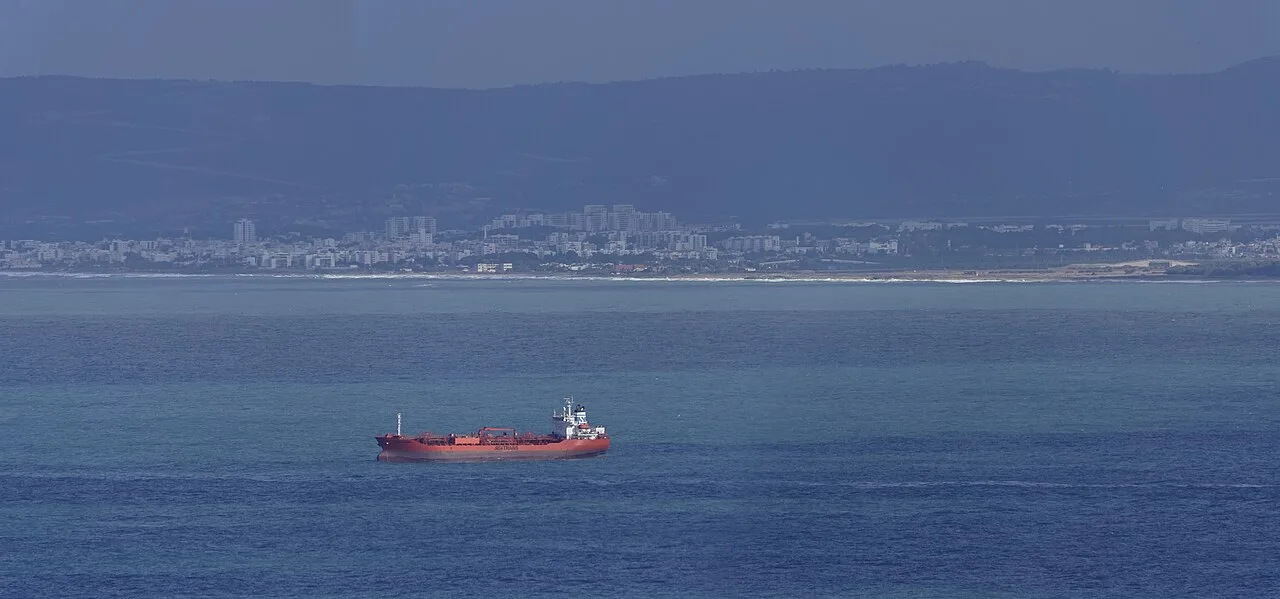

The cargo is what makes this one stand out: about 2 million barrels of crude on a single hull, according to reports by the Express and AOL UK. That is one ship's worth of oil, in the narrow sea lane through which a large share of the world's seaborne crude moves.
The accounts all trace back to Iranian military statements. Iran's Islamic Revolutionary Guard Corps said the vessel hit a mine and caught fire, as Xinhua and Anadolu Agency reported. Iran's navy said two tankers were struck, according to Al Jazeera.
Key numbers
- 2 million barrels the crude cargo reported aboard the struck supertanker
- 2 tankers reported hit by mines by Iran's navy, while the IRGC's own statement described one supertanker on fire
- 24 Indian seafarers reported found safe after tanker incidents in the Hormuz area on 16 October, in earlier coverage
What the Iranian statements say
The IRGC said the supertanker exploded after striking a mine and that a fire followed, Xinhua reported. Moneycontrol reported that the IRGC also warned that the Strait of Hormuz was closed.
None of the reports I read names the vessels, their owners or their flags, and none gives a casualty figure for this incident. Earlier reporting said 24 Indian seafarers were found safe after tanker incidents in the same area on 16 October. No party has claimed responsibility for laying the mines.
Why a chokepoint incident reaches the oil market
In plain words: the Strait of Hormuz is a narrow stretch of water between the Gulf and the open sea, and tankers loading in the Gulf have to pass through it. When something physically stops or slows ships there, the crude on those ships cannot reach buyers on schedule. That is why an incident involving one or two vessels is followed well beyond the shipping pages.
The chain is short. A mine strike damages a hull. Other owners and their insurers reassess whether to send ships through the same water. Cargoes that were counted on arriving at a certain date become uncertain.
What is confirmed and what is not
Everything here rests on Iranian military statements relayed by news outlets. I found no independent confirmation in the reports, no third-party verification of a mine as the cause, and no agreement across the coverage on whether one tanker or two were hit: the Jerusalem Post and Al Jazeera carried the two-tanker version, while Xinhua and Anadolu carried the single-supertanker version.
The reports I went through also do not give a settled price for crude alongside the incident. What they describe is the physical event and the Iranian warning about the waterway, which is where the facts currently end.