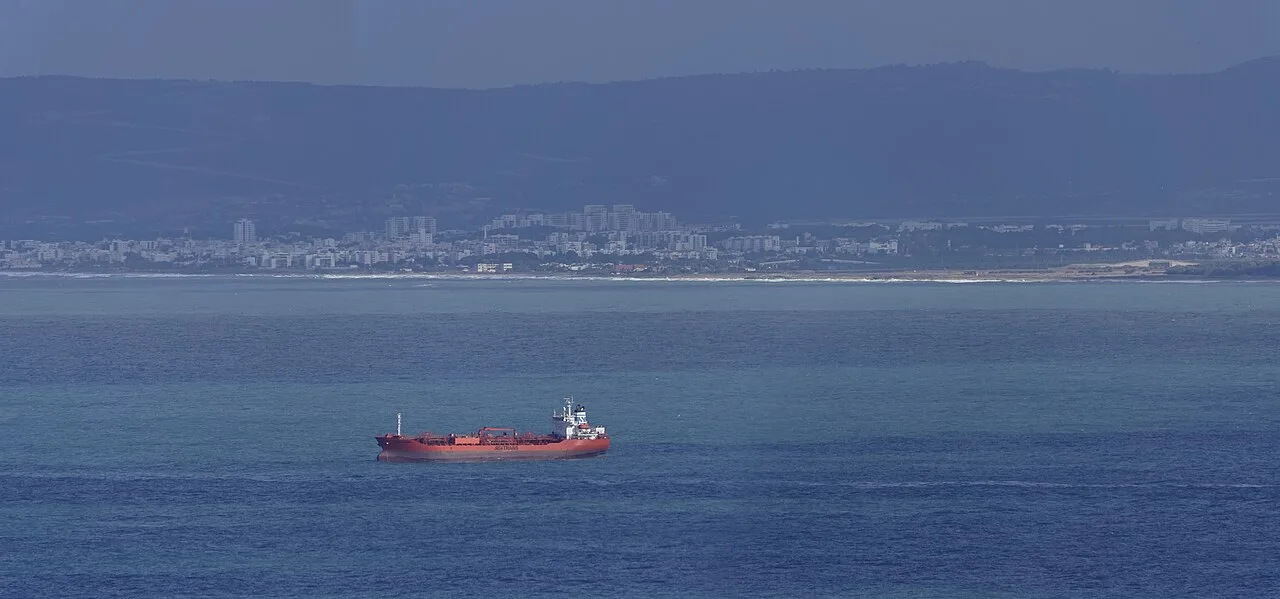

The mines were placed above the waterline. Two of them were attached to the hull of the Dubai-owned tanker Louise 1 from a speedboat on Thursday night, and the explosions started a fire in the engine room, Marine Insight reported, citing two maritime security companies. The vessel made it to an anchorage off Khor Fakkan on the UAE's south coast.
Limpet mines are explosive charges fixed by hand to a ship's hull, named after the shellfish that cling to coastal rocks. Marine Insight reported this was the first time Iran had used such devices since 2019, when at least four ships, one Japanese and one Norwegian, were struck in the Gulf of Oman.
Key numbers
- 2 limpet mines attached to the Louise 1 above the waterline on Thursday night, according to Marine Insight
- 2019 the last year explosive devices of this kind were used against shipping in the region, when at least four ships were hit in the Gulf of Oman
- October the heaviest month of strikes against ships since the war began in February, Marine Insight reported
A second vessel was hit on Sunday
An Emirati-owned offshore tug was hit by a projectile in the Strait of Hormuz on Sunday evening, northwest of the Musandam Peninsula, The Maritime Executive reported. The report does not identify who fired, and the damage to the tug is not detailed.
Marine Insight reported that Iran has widened its area of operations in the Gulf and raised the tempo of attacks over the past few weeks. Martin Kelly, chief executive of the maritime security consultancy Orbital Risk Intelligence, told the outlet that Iran was doing everything it could to stop ships passing through Hormuz, including spreading false claims about vessels being hit by drones or naval mines. The accounts of individual incidents are not independently confirmed.
Fewer tankers, and no armed guards in Omani waters
Loaded tankers are still crossing the chokepoint, but their number has fallen since the war began in February, when the United States and Israel launched strikes on Iran, according to Marine Insight. Most vessels now route through Omani waters, where armed guards are not permitted; instead, response officers from security consultancies ride on the bridge and advise the crew.
Marine Insight reported that the return of limpet mines adds to insurance and operating costs for ship operators, because the devices are placed by hand and leave crews with little warning. Neither report gives a price move for crude oil.
In plain words: the Strait of Hormuz is the narrow sea passage every tanker leaving the Gulf has to use. When attacks there become more frequent, owners pay more for war-risk cover and some crews avoid the route, so moving each barrel out of the region costs more. That is the channel through which an attack on a single ship reaches the oil market.