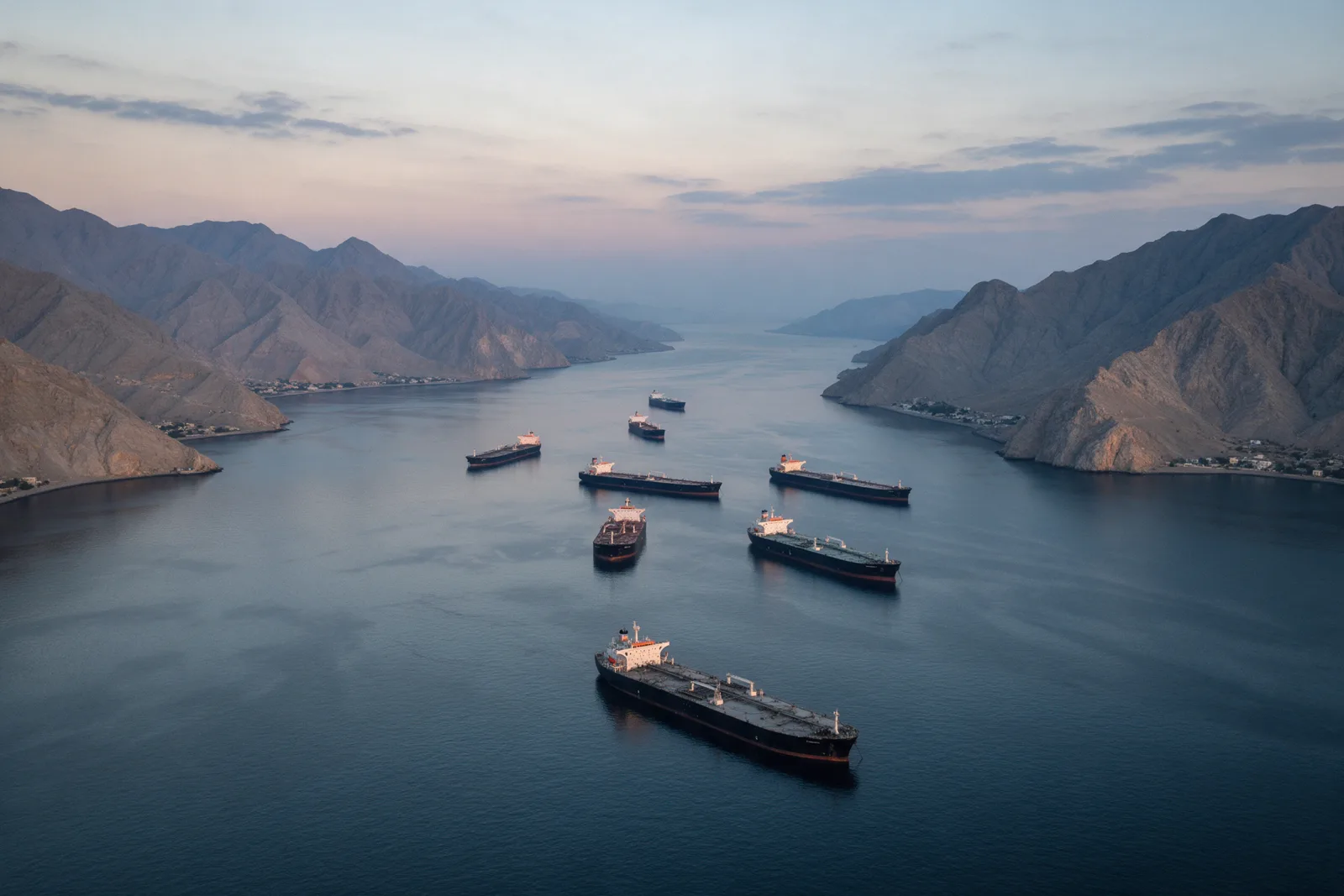
Shipping and logistics now account for more than 30% of the cost of a barrel, up from below 5% before the disruption, Sultan Al Jaber said. That is the part of the speech that goes beyond the headline number: the barrels still exist, but moving them has become a far larger share of what they cost.
Al Jaber, chief executive of Abu Dhabi's national oil company ADNOC, was speaking on Monday at the opening of the ADIPEC 2026 energy conference in Abu Dhabi. "Simply put, the world has eroded its supply buffers," he said, according to OilPrice.com.
Key numbers
- 1 billion barrels drained from global oil inventories since the disruption of Strait of Hormuz traffic, Al Jaber said on Monday
- 600 Bcf the LNG supply gap facing some markets, as he described it
- 35 years the span over which diesel stocks in some markets are at their lowest seasonal levels
- 30% the share of a barrel's cost now taken by shipping and logistics, against below 5% before
The shortage is in stocks, not in wells
The figures Al Jaber gave describe inventories rather than production. Nearly 1 billion barrels have come out of storage because the war in Iran and the disrupted flows through the Strait of Hormuz have made deliveries slower and more expensive, he said. Diesel is the sharpest point: stocks in some markets are at their lowest seasonal levels in 35 years, while other markets face a 600 billion cubic feet gap in LNG supply.
In plain words: inventories are the cushion between what is produced and what is consumed. When ships are delayed or rerouted, refiners and utilities draw on stored barrels and stored gas to keep running, and the cushion thins. A thinner cushion is why traders in crude and natural gas watch inventory reports so closely after a shipping disruption.
World Oil reported the same framing from the ADIPEC stage: energy security is now measured by delivery, not just production.
What the industry is asking for
Al Jaber set out five steps the industry can take to blunt future shocks. He detailed two of them. The first he called accessible supply: expanded strategic storage, larger stockpiles of products, and flexible refining capacity closer to consumer markets. The second was accessible routes to market. "Supply only counts when it arrives," he said. "Infrastructure must be built before it is needed and enabled by advanced logistics."
That follows calls made last month by other Gulf producers. At the 2026 Energy Intelligence Forum in early October, Saudi Aramco chief executive Amin Nasser said that "every attack comes with a global price: weaker energy security, greater market disruption, lives and livelihoods on the line," and described oil and gas infrastructure as "a collective necessity for producers and consumers alike." At the same event, Kuwait Petroleum Corporation chief executive Sheikh Nawaf Saud Al-Sabah said the company was in discussions with European partners about storing more refined products closer to consumers in Europe.
The reports I went through carry Al Jaber's figures as he stated them. None of them gives an independent inventory count behind the 1 billion barrels or the 600 Bcf, and none of them dates the start of the drawdown precisely.