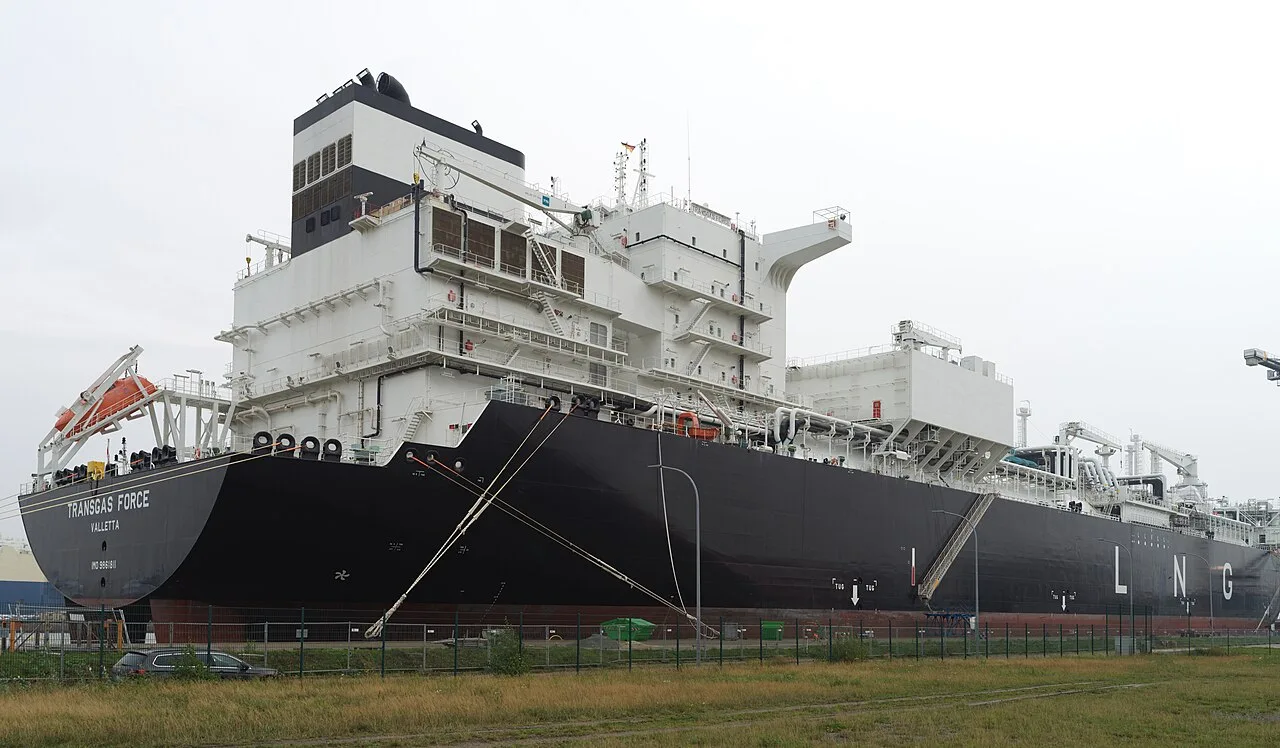

Middle East oil shipments have largely come back. Qatari LNG has not. OilPrice.com reports that shipments from Qatar, the second-biggest LNG exporter in the world before the war with Iran, have been reduced to a trickle over the past seven months, with no sign yet of a return.
That shortfall has now met the start of the heating season, and it is the combination the reports point to rather than cold weather on its own. Europe and Asia are bidding against each other for whatever spot cargoes are still available.
Key numbers
- $107.40 the intraday peak for the front-month Dutch TTF contract early on Monday in Amsterdam, up 2.1% and the highest since 2022
- 7% the gain the same contract posted over the previous week
- 74.62% how full EU storage sites were on October 25, per Gas Infrastructure Europe, against a five-year average of roughly 86% for the date
- 845 TWh European gas inventories, about 100 TWh less than a year earlier, Saxo Bank's head of commodity strategy Ole Hansen wrote in a note on Friday
The tanks are emptier than usual for late October
Several EU countries started pulling gas back out of storage last week as temperatures fell, according to OilPrice.com, and that is what lifted the benchmark 7% over the five sessions. Storage at 74.62% is not an emergency level, but it is roughly eleven percentage points below where the five-year average sits at this point in the calendar.
Hansen put the gap in physical terms: the missing 100 TWh, he wrote, is about as much energy as more than 80 large LNG carriers would deliver.
In dollar terms, Monday's level works out at more than $30 per million British thermal units, the unit used for LNG cargoes. The last time the Dutch contract traded here was the autumn of 2022, the first winter Europe faced without most Russian pipeline gas.
Why the Dutch contract is the number everyone quotes
The Title Transfer Facility, or TTF, is a virtual trading point in the Netherlands where most of Europe's wholesale gas changes hands. The front-month contract is the one for delivery in the nearest calendar month, and it is the price quoted when a report says European gas rose or fell.
In plain words: storage is the buffer between what Europe burns in winter and what arrives by pipeline or by ship. When the buffer starts the season lower than usual and seaborne cargoes are scarce, each cold week pulls harder on the same small pool of replacement supply, and buyers bid more for it. That bidding is what shows up as a higher TTF price.
The three reports I went through agree on the price, the storage figure and the source of the squeeze. None of them says when Qatari cargoes might transit the Strait of Hormuz again in volume, and none gives a date for any decision that would change that. The Wall Street Journal frames the same move around winter supply worries; neither report offers an independent check on when flows resume.